The concept of „lateral leadership“ and how to fulfil this role is a topic that concerns many people, inlcuding product owners and project managers. In agile working structures and self-organised teams in particular, there is a lack of „real consequences“ that would need to be imposed when conflicts arise or teams underperform.
Example:
Nele is appointed project manager for the digitisation project. The team consists of seven members and the schedule is tight. Manuel, a developer, is not at all enthusiastic about the new team structure. He usually submits incomplete or late work. Nele is frustrated because she has no disciplinary authority to reprimand him.
Leadership without the ability to show of power
We are often faced with management tasks despite not having disciplinary responsibility for a team – is this an impossible task? No! It is important to cope with the lack of authority and differing interests and to make targeted use of power structures. So why do we find it so difficult to accept this in practice and lead our team in such a way that tasks are completed?
Power structures? In a project team, everyone works together on an equal footing, so job titles are irrelevant. There is no point in flaunting your leadership role; you should use team dynamics to improve the outcome of the project.
Example:
Manuel does not want Nele to act like the boss, which demotivates him. Nele recognises this and plays to Manuel’s sterenghts. She talks to him directly and gives him an important role in the team. This gives him a sense of purpose and suddenly the collaboration runs like clockwork.
Lateral leadership is not about „getting“ someone to do something. According to Dr Kösten, it is about making the case for the existing structure, developing a shared perspective and fostering an environment where people act voluntarily, with intrinsic motivation and independence. That sounds simple in theory, doesn’t it?
From 8 to 9 May 2023, I attended the seminar „Leading without a Supervisory Role“ at the ARS Academy (led by Dr Kösten). Today, I would like to briefly summarise what I learnt on the topic.
How it all begins
Before taking on a lateral leadership role within a team, the following must be clarified:
-
Management buy-in
Management must want to take on the tasks, and the duties and powers of the role must be communicated openly and clearly. #commitment -
Team acceptance
Acceptance within the team must be earned. This is achieved by leading a team in a way that builds trust. Key factors here are keeping promises, clearly defining and communication tasks, fostering an open culture of communication and appreciation. #leadingbyexample -
Self-confidence
This is probably one of the most important points – if you don't believe in yourself, why should others? Trust yourself, fulfil your role well to the best of your ability and do your best. This self-confidence will also help you to cope with internal power struggles. The team will test boundaries, that's normal. There will be conflicts, but if you have inner confidence, dealing confidently with power dynamics will no longer be a problem. #trustinyourself
How can I find the self-confidence I need?
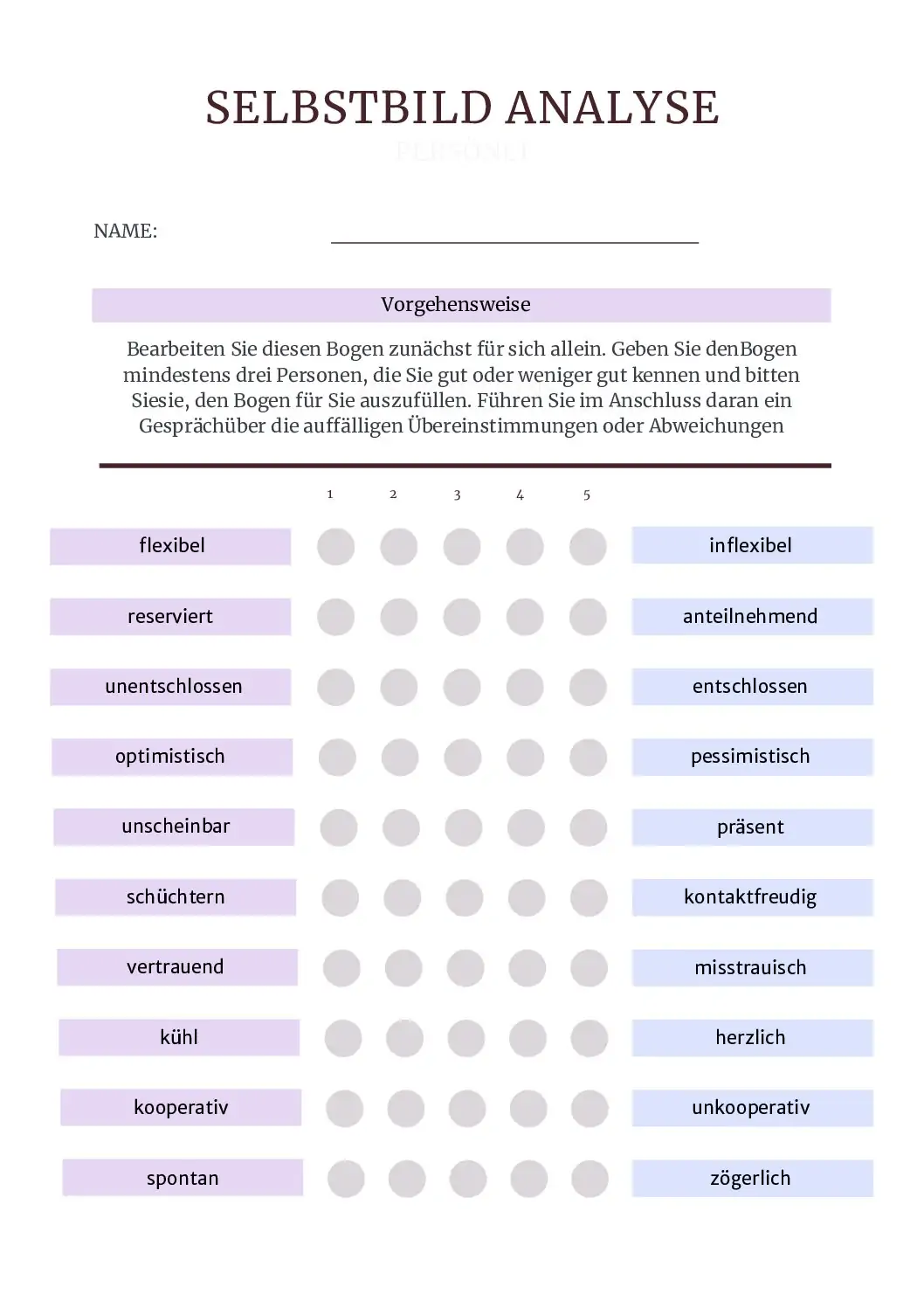
If you want to learn more about yourself and boost your self-esteem, start by analysing how you and others see your. Ask your team to fill out a questionnaire about how they perceive you, for example, as being caring, optimistic or present – and then discuss the results with your colleagues. (Questionnaire: Self- & External Perception) If the team’s assessment differs greatly from your own, that inidicates that you should seek further training in these areas. (Talk to your HR department or manager about this.)
We also did this exercise in the seminar and I came away with a clear insight => I am an open book!
Template for analysing self-image and external image
To make it easier to get started with the analysis, I have created a template that you are welcome to use! 😊
Acting like a strong leader can be counterproductive
Once you have clarified the three key areas of management buy-in, team acceptance and self-confidence for yourself, you can start to consider how you want to fulfil the role of lateral leader. In the next blog post, we will look at leadership and team personalities.
My conclusion
It is essential to get the team on board, to utilise and appreciate their strengths and skills for the overall project. Everyone should be given an important role with clearly defined tasks. Then you can work together to achieve success.
If you are already in a leadership position without a supervisory role and have you noticed that one of these factors is missing and that the project is therefore not yet successful? If so, now is the time to act. There is no shame in asking management for clearer delegation at a later stage or in suggesting a fresh start for the team. When it comes to self-esteem, you really have to take charge, but anyone can do that. If you feel like you are floundering and need help, you should seek it out and accept it, because that shows true strength. As Dr Kösten said in the seminar:
„Those who cannot command need acceptance.“